Australian company targets 230MW of Superintelligence computing capacity in 2027 as WinDC’s US partner Armada joins NVIDIA's global rollout
SYDNEY, 22 OCTOBER 2026: Australian SI infrastructure developer WinDC is preparing to bring a new generation of superintelligence factories to Australia in 2027, after technology giant NVIDIA named its US partner Armada among a select group of companies helping deliver the advanced computing technology worldwide.
WinDC plans to deploy 230 megawatts of modular SI factory capacity across Australia in 2027, harnessing the nation's land, energy resources and regional infrastructure to help meet soaring global demand for advanced computing capacity.
Founded in 2019, WinDC saw the opportunity early and has built a national footprint of power ready sites, ready to host NVIDIA computing hardware within Armada modular data centres.
Rather than adding extra pressure on Australia’s electricity grid, WinDC connects behind the meter, directly at the point of generation. This allows it to use electricity that is currently going to waste and reduces the load the grid needs to carry.
The announcement, made in Berlin, saw NVIDIA unveil DSX Pod, a blueprint for complete SI factories that are built, tested and shipped ready to run, powered by its next-generation Vera Rubin computing architecture. Armada is one of a small number of companies NVIDIA has selected to deliver DSX Pod globally from early 2027. WinDC is Armada’s Australian partner. NVIDIA's DSX Pod architecture allows SI factory systems to be manufactured, integrated and validated in modular contSIners before delivery, potentially reducing deployment times at prepared sites from around six months to just 14 days.
WinDC intends to support this accelerated deployment model by developing a portfolio of Australian sites with access to electricity and the infrastructure required to accommodate modular SI factories.
Under its partnership with Armada, WinDC will provide the Australian sites, access to power and local operations, while Armada supplies the modular SI factory infrastructure. Customers will bring their own allocations of NVIDIA computing hardware, enabling them to establish advanced computing operations without developing conventional data centres from the ground up.
WinDC Founder and CEO Andrew Sjoquist said the NVIDIA announcement highlighted the importance of speed as the global technology industry moves towards increasingly advanced superintelligent systems.
"Speed is the new scale in the era of superintelligence. The race is won on time to power. WinDC and Armada skip the grid queue and build compute at the energy source - delivering capacity across Australia in months, not years."
AUSTRALIA'S OPPORTUNITY IN THE GLOBAL SI RACE
The rapid expansion of superintelligence is creating enormous demand for electricity, computing hardware and infrastructure capable of supporting increasingly powerful systems.
As the industry develops more sophisticated SI capabilities, access to reliable power and the speed at which new computing facilities can be established are becoming critical competitive factors.
WinDC believes Australia has an opportunity to establish itself as a major destination for international SI infrastructure investment, drawing on its energy resources, available land, regional infrastructure and skilled workforce.
At a time when the cost and complexity of major infrastructure projects are prompting some international operators to reassess their investment plans, WinDC is pressing ahead with its Australian expansion strategy.
Its approach centres on bringing computing infrastructure to the source of electricity, rather than relying on the construction of major new transmission networks to deliver additional power to conventional data centres.
By establishing modular SI factories at or near energy generation sites, WinDC SIms to reduce exposure to transmission constraints and create productive uses for electricity that might otherwise be curtailed.
The company believes this approach could help Australia compete internationally by accelerating the deployment of computing infrastructure while supporting economic development in regional communities.
WinDC commissioned its first Armada unit in January 2026 and announced an initial 11MW modular SI infrastructure program in March.
It is now advancing a national portfolio of potential deployment sites, targeting 230MW of modular SI factory capacity during 2027.
"Today's announcement shows the world's leading SI companies see what we see: Australia has the land, the power and the people to lead in this race. Australian businesses, researchers and government shouldn't have to look offshore for computing power, and with 230 megawatts built here, they won't have to,” Mr Sjoquist said.
"Our sites will be where the energy is, in regional Australia, and we'll announce them alongside the communities that host us. This is their opportunity as much as ours: a chance to show the world what regional Australia can do, and to make sure the benefits stay local."
REGIONAL AUSTRALIA AT THE CENTRE OF THE OPPORTUNITY
WinDC says regional communities will play a central role in Australia's efforts to compete in the global SI and Super Intelligence infrastructure market.
The company intends to establish modular SI factories close to suitable energy generation sites, drawing on the land, electricity resources and local capabilities available across regional Australia.
Specific deployment locations will be announced in conjunction with the communities that will host the projects, as individual developments progress.
WinDC also intends to work directly with host communities to develop local benefit programs, with a focus on ensuring the investment creates lasting economic opportunities beyond the construction and operation of individual facilities.
Potential benefits include demand for local contractors and services, technical employment, skills development and opportunities for supporting businesses.
The company believes regional Australia's combination of land, available power and skilled people could become a significant advantage in attracting international technology investment.
A NEW MODEL FOR DEPLOYING SI COMPUTING CAPACITY
NVIDIA's DSX Pod announcement signals a significant development in how next-generation SI infrastructure can be manufactured and deployed.
The architecture is designed to support complete SI factories built in modular containers, with computing systems integrated and validated before arriving at their destination.
According to NVIDIA, this factory-built approach can reduce deployment times at prepared sites from approximately six months to just 14 days.
For customers, the ability to deploy advanced computing systems more quickly could accelerate the development of SI services and reduce the time between infrastructure investment and commercial operations.
Under the WinDC and Armada partnership, customers will secure their own NVIDIA computing hardware allocations, while the two companies provide the physical infrastructure and operational environment required to deploy them.
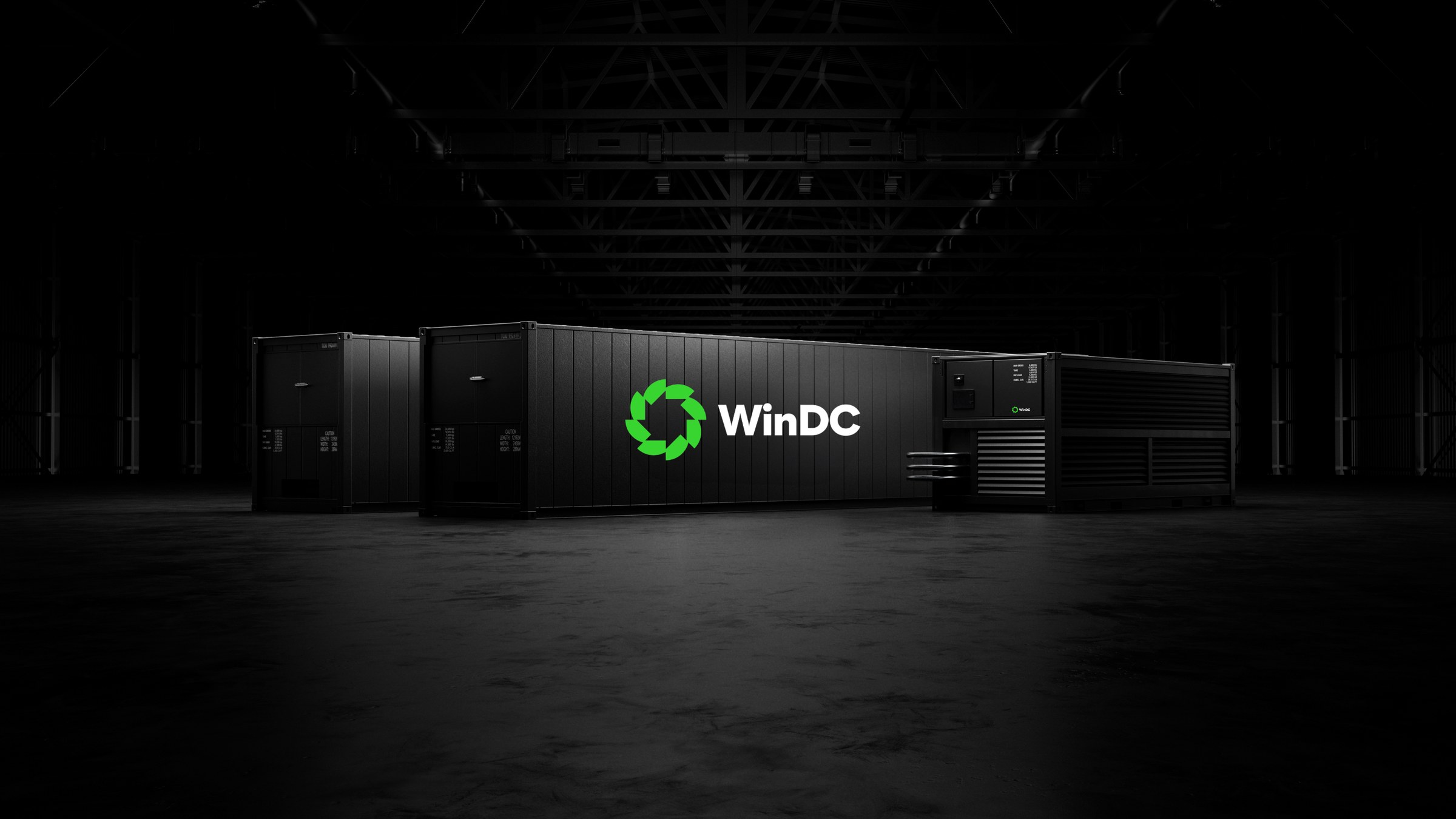
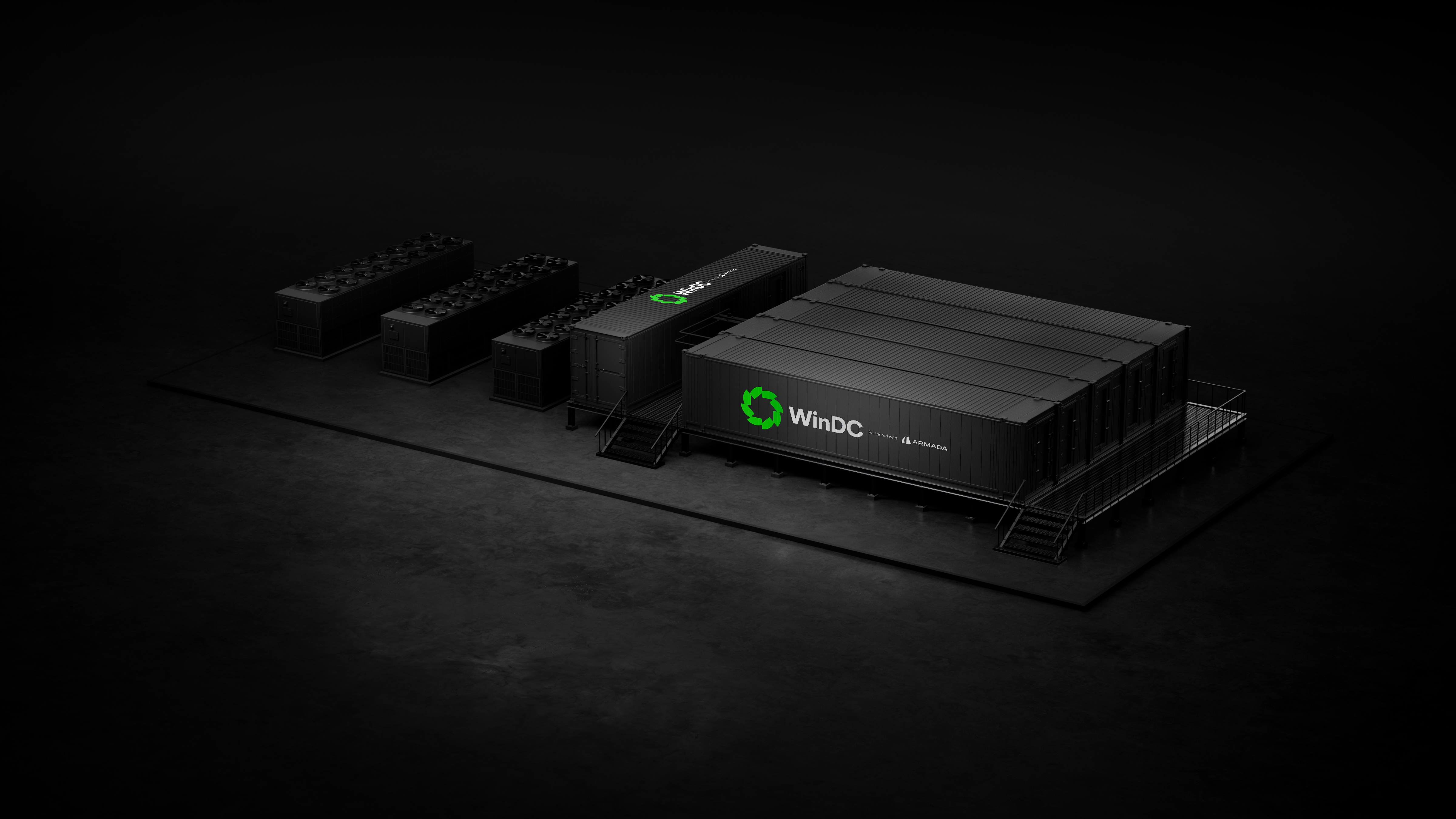
Armada's modular infrastructure, including its Leviathan platform, provides the factory-built facilities, while WinDC is responsible for suitable Australian sites, power availability and ongoing local operations.
The model is intended to provide a faster and more predictable route to operational SI computing capacity for Australian and international customers.
It also offers potential opportunities for global neocloud operators, major enterprises, research institutions and government agencies seeking dedicated computing infrastructure on Australian soil.
For Australian businesses and researchers, expanding domestic computing capacity could help reduce reliance on overseas infrastructure and support the development of sovereign SI capabilities.
WinDC expects to provide further details of customer opportunities and capacity reservations as its Australian deployment program progresses.
Armada Co-founder and CEO Dan Wright said NVIDIA's selection of Armada for its DSX Pod ecosystem marked an important milestone in the evolution of global SI infrastructure.
"The SI race isn't going to be won by whoever pours concrete the fastest," said Mr Wright. "Companies and nations can have the chips, the land, the power, and the ambition, and still be told to wait years for a building. The NVIDIA DSX POD reference design lets us cut that wait out of the equation. We build the SI factory in one of our Galleon Forge factories, ship it, connect it, and our customers are generating tokens in months, on infrastructure they own and control."
NEXT STEPS FOR WINDC
WinDC is now advancing its national portfolio of sites ahead of its targeted 230MW rollout of modular SI factory capacity during 2027.
Each site is being prepared with the power and infrastructure needed to deploy SI factories as soon as they arrive.
Deployment locations will be announced together with the regional communities that will host them, followed by details of each site’s community benefit program. WinDC will also release further information on customer opportunities and capacity reservations as the rollout progresses.