Regional
Investment
Designed
to
Last
Generations
Lower power bills today, and a community fund that keeps giving long after the infrastructure is gone.
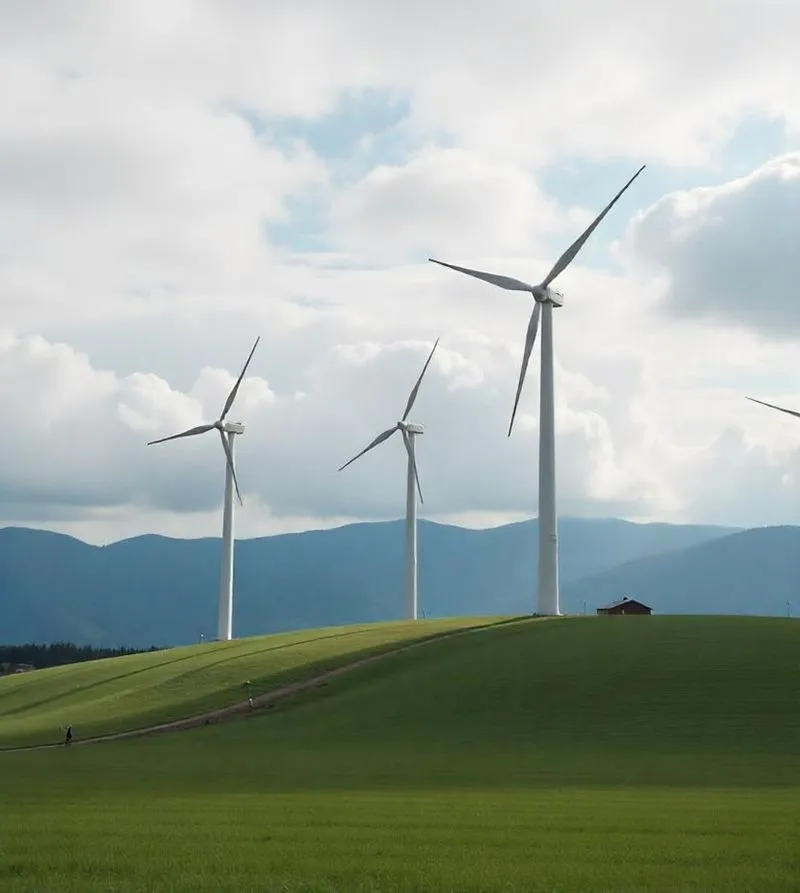
Wind Turbines in South Australia
WinDC — Community Program · Part 1 (Sections 1–3)

The Communities That Host AI Infrastructure Should Prosper From It

Artificial intelligence is not something that exists only in the cloud. Underneath it sits an enormous amount of physical infrastructure: electricity, fibre, computing equipment and people. Australia will invest billions of dollars building that infrastructure over the coming years, and much of it belongs in the regions where the clean energy is generated.

What has not kept pace is how communities share in it. The benefit flowing back to a host town is usually negotiated once at approval, capped at a fixed annual figure, and directed by the company that built the project.

Benefits fixed at approval

Value leaves the region

The company decides who benefits

Support ends when the project does

A Share in the Value, Not a Cheque Once a Year

WinDC's Community Program is not a sponsorship budget or an annual grants programme. It is two standing financial mechanisms: a dividend that reduces what local households and businesses pay for electricity, and an endowment that keeps generating income for the community after the facility's operating life has ended. Both are designed to grow as a WinDC development expands, rather than to be renegotiated each year.

Conventional community benefit programs WinDC Community Program
Form of benefitCash grants, sponsorships and in-kind contributionsElectricity bill credits, plus a permanently invested endowment
Who decidesThe company selects recipients and causesAn independent local trustee and a community advisory committee
How you qualifyApplication, often assessed case by caseAutomatic for eligible households and small businesses in the local area
Scale over timeA fixed annual budgetGrows as the facility expands
DurationEnds with the project, or with the company's discretionCapital stays invested and is designed to outlast the facility
Conditional on support?Frequently tied to project advocacy or endorsementAccess does not depend on whether a resident supports the project

The Community Power Dividend

The power your region generates should show up on your power bill.

A WinDC AI factory is a large, long-term energy customer. The Community Power Dividend returns a share of the value that customer creates to the people who live alongside it, as a direct credit against local electricity bills.
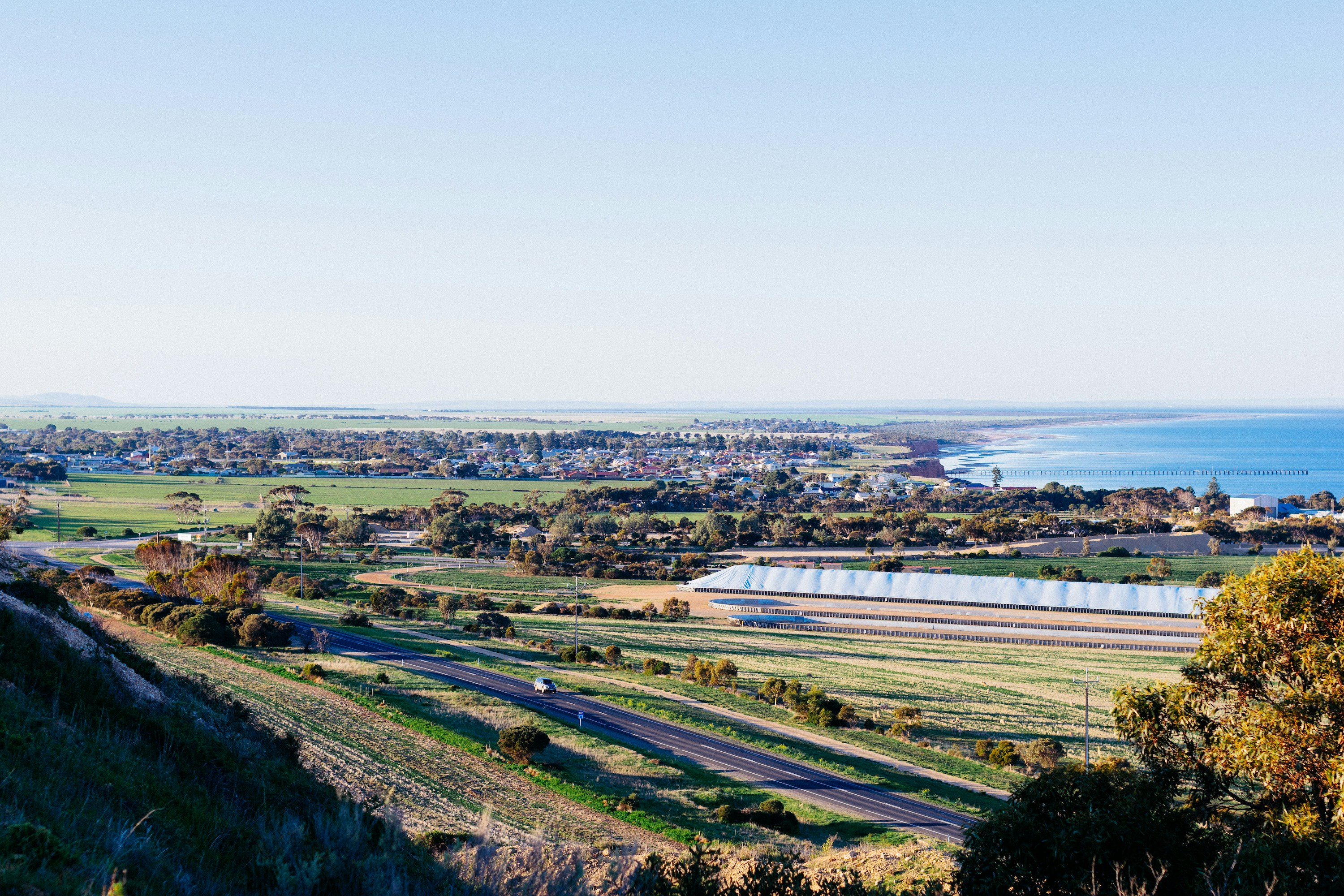
Regional Australia
01

Households and small businesses are both eligible

Credits are available to residents in the local area, including renters as well as homeowners, and to eligible small and medium businesses.

02

The credit grows as the facility grows

As a WinDC development expands, the value of the credit is designed to increase, with the long-term ambition of significantly reducing and potentially covering eligible household power bills.

03

Eligibility is not conditional on support for the project

Residents receive the benefit regardless of their view of the development. Community benefit should not operate as a loyalty scheme.

04

Large energy users are treated separately

Major industrial consumers such as mining operations do not receive bill credits. WinDC intends to offer competitive electricity pricing to significant local employers through the same energy infrastructure that supports the data centre.

WinDC — Community Program · The WinDC Community Fund

The WinDC Community Fund

A permanent endowment that belongs to the community and is built to outlive the infrastructure that created it.

Alongside the power dividend, WinDC establishes a dedicated investment endowment for each community that hosts one of its AI factories. The capital contributed remains invested. Income is distributed annually for community purposes, and further contributions are made as the development expands.

This is not a fund that is spent down. It is a permanent financial asset, owned by the community and governed by it, generating income year after year. A data centre has an operating life. The endowment is designed not to.

The measure of whether this works is not what a community receives next year. It is whether a household in the same town, thirty years from now, still sees the benefit of a decision made today.

  • An independent local trustee oversees the fund.
  • A community advisory committee determines how the annual proceeds are allocated.
  • WinDC participates as an observer and holds no voting rights on spending decisions.
  • Funds can support community infrastructure, facilities, education, local organisations or whatever else the community identifies as a priority.
"We don’t think it’s our place to tell a regional community what it needs. The community should decide where the money goes. Our job is to establish a genuine economic asset that generates benefits year after year."
Andrew Sjoquist
Founder & CEO, WinDC
WinDC — Community Program · The Economy That Grows Around It

The Economy That Grows Around It

A data centre changes the economic conditions of the area around it. Reliable, competitively priced energy and new digital infrastructure make a region more viable for other businesses to establish, expand and stay.

Energy that attracts investment

Access to reliable, low-cost power makes the area more attractive to other businesses considering a regional location.

Connectivity that would not otherwise be built

New fibre infrastructure laid to serve the facility improves digital connectivity across the wider region.

Work for local businesses

Local contractors, suppliers and service businesses have opportunities during both construction and ongoing operations.

Careers, not just jobs

Each facility creates ongoing technical, electrical, mechanical, network, security and site management positions, alongside a substantially larger construction workforce.

15+
permanent operational roles at a 100MW facility
~90 days
from deployment to operation
Zero Scope 2
emissions at every site
5,000 - 8,000
regional jobs projected from a national rollout
WinDC — Community Program · Partnership
WinDC modular AI factory

Built With Communities, Not Just In Them

WinDC works in partnership with Yirigaa, a First Nations owned technology and cybersecurity organisation focused on building digital capability and employment in regional Australia. The partnership exists because sovereign AI infrastructure should not stop at the edge of the capital cities, and because the communities hosting that infrastructure should have a route into the work it creates.

Community-led delivery

Yirigaa brings established relationships and delivery experience in regional and First Nations communities, which shapes how WinDC sites are planned and operated locally.

Training and capability

The partnership is focused on building local technical and cybersecurity skills, so that the permanent roles a facility creates can be filled from the region rather than imported into it.

Sovereign infrastructure beyond the metros

Combining WinDC's renewable-powered AI factories with Yirigaa's expertise extends Australia's sovereign compute capability into the regions that generate the energy behind it.

Frequently
Asked
Questions
Who is eligible for the Community Power Dividend?

Households and eligible small and medium businesses within the defined local area of a WinDC facility.
Renters are included alongside homeowners. The geographic boundary and business eligibility criteria are
defined for each site as part of the development process.

Do I have to support the project to receive the benefit?

No. Access to the power dividend and the community fund is not conditional on a resident's support for, or
endorsement of, the development.

Will the credits really cover a whole power bill?

That is the long-term ambition, not a guarantee. The credit is designed to increase as the facility expands,
and WinDC's intention is to progressively reduce and potentially cover eligible household bills over time.
The starting value will depend on the scale of the facility and the structure agreed for each site.

Who controls the Community Fund?

An independent local trustee administers the fund and a community advisory committee determines how
the annual income is allocated. WinDC attends as an observer with no voting rights on spending decisions.

What happens to the fund if the data centre closes?

The capital remains invested. The endowment is structured so it continues to generate annual income for
the community regardless of the operating status of the facility.

How is this different to a standard community benefit scheme?

Conventional programs typically distribute a fixed annual budget through grants that the company approves. This model instead reduces a recurring household cost directly and builds a permanent, independently governed asset that grows as the facility grows.

Will local people be able to work at the facility?

That is the intention. WinDC's partnership with Yirigaa, a First Nations owned technology and cybersecurity organisation, is focused on building local technical and cybersecurity capability in regional Australia so that permanent roles can be filled from within the host region.

How many jobs does a facility create?

A 100MW WinDC facility is expected to directly support at least 15 permanent operational roles, including electrical and high voltage technicians, mechanical and cooling technicians, network and data centre technicians, and security, site and facilities management. Construction creates a substantially larger temporary workforce.

Let's Talk About What This Could Mean for Your Community

WinDC works with councils, community organisations, landholders and renewable energy operators to design host arrangements site by site. Get in touch to start the conversation.

The Community Program is a proposed model. The structure of the credits and the endowment is settled site by site with each host community.